15-6-16
To whom this may concern,
I am writing this letter of complaint about your recent job opening for an 'Apprentice Digital Video Production Producer'. I feel that there are many problems with your form, after reading the opening through thoroughly. Why are the hours so vague? You've stated that the hours range from 10-45, similar to the salary ranging from £15000-£35000 if I was to work 10 hours does that mean I'm still being paid £35000, in comparison to someone else who is being paid £15000 to 45 hours. This is too great of a range and is very difficult to follow, I'm unsure whether I can live on this money. I also feel that it is unacceptable that you have stated that the applicant should be under the age of 30 this is against the equality act as this is completely age bias. As the job is for a Production Producer I feel that the applicant can be of any age, there is no signs of heavy labour or high movement.
Finally you have also stated that the applicant must have christian religious views, adding that the person must promote ideals of the christian faith trying to encourage young people. This is very unethical, you shouldn't enforce a religion onto people you should comply with equal opportunities.
The Equality Act was put in place in 2010 and replaced many different Acts from the 20th century. The Equality Act protects the public against unethical factors, for example your form stating the fact that the applicant has to be under the age of 30. Just because the applicant will be of a certain age this does not mean they're inadequate of doing the job, if you do not allow, then this also comes under the Equal Opportunities code of practise. Equal Opportunities are put forward by employers to ensure that they're hiring fairly.
As I will be shooting at a school/college I will be the one liable to any sort of prosecution as there are no signs of a contract in place. Whereas I should have Employer Liability rights, if something was to go wrong in the location that I was filming I should be covered by Flipside Media. This all comes under the employees rights, there is no healthy safety put in place for me whilst shooting and I haven't been told about any sort of training. The applicant should be covered by a trade union such as BECTU which currently can protect a person for £120 per annum.
In one paragraph you have asked the applicant to shoot a group teens, asking them to renact any scenes that they may have experienced. What happens if one of the teens experiences a emotion change, you have not shown that there are any Codes Of Practise in place to protect the teens that will be in the shooting of the film. As the employer you should be putting policies and procedures in place to protect individuals from harm. Once again the applicant could become liable for prosecution as you haven't covered them. As long as not being protected, you have asked them to re-enact and dramatise the episode in which they were attacked in. Highlighting the point that you told the applicant to film the female victims and male offenders, this alone is once again a move toward the equality act. You're stating that the male has to be the offender and the female has to be the victim, by doing this you're representing both genders in a negative view. So by the media the males will be portrayed as being aggressive and offenders whereas the women will be shown as weak and defenseless.
Ofcom Broadcasting Code sets standards for British broadcasting, the organisation is made up of around 10 main sectors. The two I would like to put to you for this letter are 'Protecting the Under-Eighteens' and 'Harm and Offence', starting with under eighteens. On the Ofcom website in this sector this is a statement that says 'broadcasters should also be particularly careful not to provide clues which may lead to the identification of those who are not yet adult (the defining age may differ in different parts of the UK) and who are, or might be, involved as a victim, witness, defendant or other perpetrator in the case of sexual offences featured in criminal, civil or family court'. In your letter you have stated something that runs in parallel with this regulation, 'you should interview teenagers and other individuals who might be/have been affected by the topic'. If the applicant was to film these targets then they would be going against the code, as it shows the victims experiencing what they have already been through, this could effect any court cases etc.
The second sector is 'Harm and Offence', part 2.4 states 'seriously antisocial behaviour and is likely to encourage others to copy such behaviour'. This affects your advert job role as you're showing no signs of helping the students to decompress after the filming, it also shows that you have no rules in place to not replicate the scenes that the viewer would have seen. So when displayed at a school nearby the students may go out and try and copy what they have seen in the clip, as there are no rules to stopping people from doing recreating the scenes. If the clip was to show signs of Obscenity then this would come under the 'Obscene Publications Act' which a lawyer will check when watching a clip so that there are no signs of infringement. Factors such as age range of the viewers and the time of production can go against this Act, although non of these will be in place for your clip as it will be shown to students (not age specifically stated). If the clip has Obscene content then it will have to be limited by the BBFC, an organisation that decides whether the clips are suitable for certain ages. Your clip will have references to sexual scenes this meaning that its unsuitable for certain ages, as some of the youngest viewers will be sensitive to this sort of clip, hence why BBFC is there to set an adversary.
During the editing process one of your criteria is to use a popular music soundtrack, which will be difficult for the applicant as this is classed as copyright if they use the music without permission. You're only allowing £20 for production of the video which makes it difficult to gain the permission of a soundtrack, as this isn't enough for a licensing fee.
In conclusion I really hope that you overview any further job applications that you may release to the public. Ensuring that in the future you revise the Equality Act so that every person is able to apply for your job, including religious views and age. I also hope that you can provide protection for all members of staff, specifically those that are filming as anyone who was to take this job are liable to get fined or prosecuted. Finally just ensure that all of the characters that will be in your shoot can be able to contact you if they experience any psychologic harm or emotion, and are at an adequate to be able to decide their own rights.
Yours Sincerely,
Toby Middleton
Showing posts with label E. Assignment 4: The Industry. Show all posts
Showing posts with label E. Assignment 4: The Industry. Show all posts
Wednesday, 15 June 2016

Tuesday, 14 June 2016
Monday, 13 June 2016
Monday, 16 May 2016
Existing and Developing Technologies
Consumer Products
Most households have a camera this means that most are able to create a home film or clip, although in the 21st century cameras on phones are starting to level the market so in some cases people take photos or clips using there smartphone. Once the clip or photo has been taken you're able to edit them, companies have started to make it possible for consumers to purchase editing software such as Sony Vegas or Photoshop. By using these pieces of software you're able to compile clips or edit photos so that they're darker or lighter. Youtube is becoming bigger and bigger every day with many people having an account were they share videos that they have made, with these new software programmes consumers can start a new hobby making videos to post online.
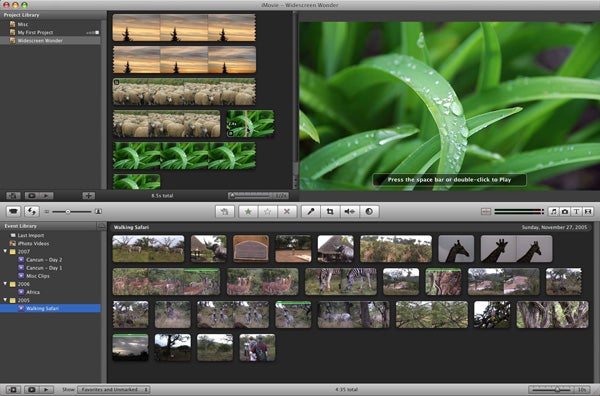
Apple and Windows have in fact started to send out editing software on there computers when purchased, so most consumers that have a laptop are able to edit using either IMovie or Windows Movie Maker.

Satellite and Cable
 Houses are either connected through Satellite or Cable, these both mean that you're able to able to watch TV Broadcasters. Sky is a TV Broadcaster which only send there signals through satellite, this means that they only broadcast there TV signals to a Satellite Dish which sends the signals to each house with a Satellite installed. Cable is a slower technique of the two but flows underground so the signal could be much better although you do have to live in a modern area as most older houses aren't installed with cabling. Companies such as Virgin or BT send there signal through cable or Fibre optic. A much more popular technique in this age is Fibre Optic this method is more expensive but sends signals much stronger and quicker.
Analogue and Digital
 From October 2012 you're now unable to watch analogue television, the process was called the "digital switchover". This meant that every house had to be upgraded from analogue to digital, digital is expensive and difficult to change although it allows you to watch many more channels. Analogue only in fact allowed you to watch a maximum of 7 channels, this meant you were very limited to choice. When new flat screen TVs started to become more available to consumers, more people were able to access digital TV as flat screens were fitted with software to control it.
Internet and Interactive

Often the internet is respected by users in terms of media, most of the public visits websites which they've either payed for or are going to pay a one off to watch a certain film/tv show. Although there are a collect amount of the public that 'Pirate' media content, this means that they're obtaining an illegal copy of the content without paying. This means that the company receives zero money from that user and could lose the title completely from copyright. However if the user pays for the content fee then they're able to interact, in some cases the user is able to place the film onto a smaller device such as an ipod or tablet. Companies that own this sort of content make it easier as they add a code that allows you to install the film to a smaller device. The user is also able to stop, start and record the content but then cannot send the copy out for money.
High Definition and 3D
Many televisions in the 21st century display in HD Display, this means that the video, audio and interface quality are much better than standard quality. Still most movie fans tend to watch new films in the cinema as the immersion and movie experience is much greater, as the cinemas are still developing you now have the choice between standard, IMAX and 3D. 3D struggles to compete with IMAX, as its expensive to watch the films and in some cases people find that they have to endure a headache half way through. A major blockbuster hit that made more consumers more enticed to watch 3D was the film Avatar, It used impressive visuals and motion to create a immersive film experience. Shortly after release it became the top grossing film of all time.

Pay Per View, On-Demand Viewing, Streaming Content and Digital Recorders
In most cases people tend to stream a TV show as they find that they have missed it or found that it clashed with another show. We find it difficult to keep up to date with TV as we find that most programmes clash with other shows, and with the ability to only watch one at a time its almost certain that the person will miss one. Luckily most houses are starting to install either digital recorders or have sky installed. So most of the population tend to watch TV at a different point, after the show has been broadcasted to the general public. Although one session that a lot of the population will ensure that they're free for is 'pay per view', this means that you pay a one off amount so that you have the licence for a limited amount of time. Most boxing matches are pay per view and this is how they make the amount of money to give the boxers.

Streaming content is similar to downloading but both have there differences, streaming means that you're taking content from the internet and watching it through wifi. With streaming you don't keep the content on the computer you watch it once and then the file disappears whereas downloading and recording means that you keep the content until you wish to delete it. For example SKY Boxes allow you to record TV shows, the content is then stored until you wish to delete it or watch it. Although its very easy to download and record most people tend to stream as this takes up very little space, also many companies that allow you to watch films with a subscription just allow you to stream it.
Most households have a camera this means that most are able to create a home film or clip, although in the 21st century cameras on phones are starting to level the market so in some cases people take photos or clips using there smartphone. Once the clip or photo has been taken you're able to edit them, companies have started to make it possible for consumers to purchase editing software such as Sony Vegas or Photoshop. By using these pieces of software you're able to compile clips or edit photos so that they're darker or lighter. Youtube is becoming bigger and bigger every day with many people having an account were they share videos that they have made, with these new software programmes consumers can start a new hobby making videos to post online.
Apple and Windows have in fact started to send out editing software on there computers when purchased, so most consumers that have a laptop are able to edit using either IMovie or Windows Movie Maker.
Satellite and Cable
 Houses are either connected through Satellite or Cable, these both mean that you're able to able to watch TV Broadcasters. Sky is a TV Broadcaster which only send there signals through satellite, this means that they only broadcast there TV signals to a Satellite Dish which sends the signals to each house with a Satellite installed. Cable is a slower technique of the two but flows underground so the signal could be much better although you do have to live in a modern area as most older houses aren't installed with cabling. Companies such as Virgin or BT send there signal through cable or Fibre optic. A much more popular technique in this age is Fibre Optic this method is more expensive but sends signals much stronger and quicker.
Analogue and Digital
 From October 2012 you're now unable to watch analogue television, the process was called the "digital switchover". This meant that every house had to be upgraded from analogue to digital, digital is expensive and difficult to change although it allows you to watch many more channels. Analogue only in fact allowed you to watch a maximum of 7 channels, this meant you were very limited to choice. When new flat screen TVs started to become more available to consumers, more people were able to access digital TV as flat screens were fitted with software to control it.
 Internet and Interactive
Often the internet is respected by users in terms of media, most of the public visits websites which they've either payed for or are going to pay a one off to watch a certain film/tv show. Although there are a collect amount of the public that 'Pirate' media content, this means that they're obtaining an illegal copy of the content without paying. This means that the company receives zero money from that user and could lose the title completely from copyright. However if the user pays for the content fee then they're able to interact, in some cases the user is able to place the film onto a smaller device such as an ipod or tablet. Companies that own this sort of content make it easier as they add a code that allows you to install the film to a smaller device. The user is also able to stop, start and record the content but then cannot send the copy out for money.
High Definition and 3D
Many televisions in the 21st century display in HD Display, this means that the video, audio and interface quality are much better than standard quality. Still most movie fans tend to watch new films in the cinema as the immersion and movie experience is much greater, as the cinemas are still developing you now have the choice between standard, IMAX and 3D. 3D struggles to compete with IMAX, as its expensive to watch the films and in some cases people find that they have to endure a headache half way through. A major blockbuster hit that made more consumers more enticed to watch 3D was the film Avatar, It used impressive visuals and motion to create a immersive film experience. Shortly after release it became the top grossing film of all time.

Pay Per View, On-Demand Viewing, Streaming Content and Digital Recorders
In most cases people tend to stream a TV show as they find that they have missed it or found that it clashed with another show. We find it difficult to keep up to date with TV as we find that most programmes clash with other shows, and with the ability to only watch one at a time its almost certain that the person will miss one. Luckily most houses are starting to install either digital recorders or have sky installed. So most of the population tend to watch TV at a different point, after the show has been broadcasted to the general public. Although one session that a lot of the population will ensure that they're free for is 'pay per view', this means that you pay a one off amount so that you have the licence for a limited amount of time. Most boxing matches are pay per view and this is how they make the amount of money to give the boxers.

Streaming content is similar to downloading but both have there differences, streaming means that you're taking content from the internet and watching it through wifi. With streaming you don't keep the content on the computer you watch it once and then the file disappears whereas downloading and recording means that you keep the content until you wish to delete it. For example SKY Boxes allow you to record TV shows, the content is then stored until you wish to delete it or watch it. Although its very easy to download and record most people tend to stream as this takes up very little space, also many companies that allow you to watch films with a subscription just allow you to stream it.
Thursday, 12 May 2016
Ownership and Funding
Ownership Concepts
Public Service Broadcasting refers to the public TV shows that are created to entertain the public rather than to gain money from the views. An example of this is BBC as the channel shows no signs of advertisement or product placement. BBC in an unprofitable organisation as they're funded completely by the government, this article completed by the BBC shows how much they gain from each household.


Corporate and Private Ownership is a broadcaster that is owned by a private company or a non-governmental agency, although the company can be owned by a collection of different organisations. An example of Private ownership is MTV, which is a company that broadcasts to 16-25, the owners of the channel saw the gap in the market so they created this channel. This is different to BBC as they produce shows that will be for a much wider range of ages.
Public Service Broadcasting refers to the public TV shows that are created to entertain the public rather than to gain money from the views. An example of this is BBC as the channel shows no signs of advertisement or product placement. BBC in an unprofitable organisation as they're funded completely by the government, this article completed by the BBC shows how much they gain from each household.

Commercial Broadcasting this is a group of channels that are funded by advertising companies rather than the government. Companies such as ITV make the money to broadcast shows from corporate/private that wish to post advertisement onto there
 broadcasting station. With this sort if channel there is no government assistance, the public do not pay for this channel, it is completely run on the money made from these sponsoring businesses. Commercial Broadcasting is also very reliant on ratings and channel views, if they have more views and higher ratings then these private sponsors are gonna pay more for the advertisement space. Whereas if the channel was to have less views and bad ratings then the companies will not pay as much to have that space, thus meaning that the shows have lower budgets.

Global Companies have a business that stretches worldwide, any sort of trading or
 viewing is completed worldwide. By creating a show or channel that is universal the company will gain more money and publicity. An example of this is Youtube because anywhere in the world that you're your able to view Youtube videos. As Youtube is a social website creators are able to place there video on the internet from anywhere in the world.
Vertical Integration is were a company owns an entirety of items across different sectors, so for example a business could own a Newspaper but also have there own TV Broadcasting Station. A prime example of this is Warner Bros. which is owned by Time Warner more specifically the film Harry Potter and the Deathly Hallows: Part 2, shows a clear sign of vertical integration. The reason why is because in many cases HBO broadcasted a behind the scenes viewing of Harry Potter before the film was released to the public. It also ran a special segment in Time Magazine to ensure that people went to watch it. This is an example of Vertical Integration because Time Warner not only used a TV Broadcaster to advertise there film but they also used the papers.
Horizontal Integration this process means that the company stays in the same sector and buys out other companies to make themselves bigger although they don't have to buy out companies they can just develop themselves in that sector. An example of this is SONY whom created Casino Royale, but more specifically it was created by MGM and Columbia Pictures who're owned by SONY. SONY also created the soundtrack for Casino Royale and dispersed it onto Blu-Ray which is also owned by SONY. This showing that SONY colonised by buying out Columbia Pictures and MGM, then developed there company so that they could create the films audio and products.

Funding Types
The Licence Fee is a set amount of money that you have to pay to be able to watch Public Service Broadcasted TV Shows, the licence also covers Televisions whether they're colour or black and white. Most british citizens have to pay this annual fee so they're able to use most technology in the house. Even if you're watching BBC Iplayer you must pay a licence fee as this is sourced by the BBC, which most of the fee is payed too.
Subscription in terms of media means that you pay a daily, monthly or annual fee towards TV broadcasting. For example a Corporate company such as SKY charge monthly as they own channels such as Discovery, Sky Atlantic and Comedy Central. By paying the monthly subscription you're able to watch any channels that are broadcasted by SKY as you have payed for there licensing.

One off Payment to Own Product means that you pay a set amount and that product becomes yours forever, you're able to reply as many times as you wish. An example of this is DVDs, once you have bought the DVD it becomes yours, you're given the licence to watch the film. But that does not mean that you're able to create copies of it and sell it on.

Pay Per View is a process that only allows you to watch your chosen programme once the payment has gone through, in most cases you're able to watch the purchased clip for a certain time limit or a certain amount of times. Virgin Media often do this when a Boxing match is on, you have to pay there licencing fee, whether or not you already have the subscription to them, you must pay to watch that certain match when it is broadcasted.
 Sponsorship is when a company or broadcaster likes what you've created so they would sponsor you to create more, when they have payed you to make what you're making they will then broadcast that show onto there channel. An example of this is the Neistat Brothers who created just a few TV Shows and then sent them to HBO, whom after time decided they liked what the Neistat Brothers were creating so they sponsored them to create more. HBO would pay them money to make more shows so that HBO are able to broadcast it to there viewers.
Advertising is a method for a broadcaster to continue displaying shows, by having advertising spaces companies pay the broadcasters to show there product of. By doing this the broadcaster is able to pay for different shows, the more views the channel has the more expensive it'll be for a company to post there advert onto it. The slots just before Coronation Street are worth millions as this is the most viewed show on a channel that allows advertising.
Product Placement is were a company pays a specific programme or film to place there product into it, but in some cases the owner of the film/programme may want there product to be enhanced by there show. In Hotel Transylvania there are many references to Sony Experias, this is because Sony has produced the film so they want there viewers to see there products aswell as watch a great film. The video shows all of the placements in the second film...

Private Capital means that a broadcaster is directly funded by a private owner or company. For example Facebook have just bought Oculus so that they can continue to develop software for users. By doing this both companies will gain a profit from the product, it helps to both expand the company that have sold the product and it also helps to advertise.
Crowd Funding is were a company puts out to the public to support them into making there film. So all money is raised by the general public in aim to create what they have put out the asks for support on. Kickstarter, is a website that allows creators to put
 forward their ideas. Users of the website can then chose to back a project or ignore it, if they chose to back the project the user can donate from $1 up. If the backer puts forward enough money they can become eligible for rewards from the creators. If the movie is good and gains enough support, then the movie can be produced. As well as films creators are able to upload products, an example of this is the OUYA which is an indie game
 console that allows you to play games through your TV. Although with OUYA the console is just a small cube so it can be moved around with ease and it also allows you to play android games. After reaching the deadline OUYA had made $8.5 million, which was 904% of their original goal.
Development Funds help to broaden the quality, ambition and range for film directors situated in the UK. You're able to apply for development funds but could be declined, the way to apply is through this selection of programmes.
Bibliography
http://www.bbc.co.uk/corporate2/insidethebbc/whoweare/licencefee/
The Licence Fee is a set amount of money that you have to pay to be able to watch Public Service Broadcasted TV Shows, the licence also covers Televisions whether they're colour or black and white. Most british citizens have to pay this annual fee so they're able to use most technology in the house. Even if you're watching BBC Iplayer you must pay a licence fee as this is sourced by the BBC, which most of the fee is payed too.
Subscription in terms of media means that you pay a daily, monthly or annual fee towards TV broadcasting. For example a Corporate company such as SKY charge monthly as they own channels such as Discovery, Sky Atlantic and Comedy Central. By paying the monthly subscription you're able to watch any channels that are broadcasted by SKY as you have payed for there licensing.

One off Payment to Own Product means that you pay a set amount and that product becomes yours forever, you're able to reply as many times as you wish. An example of this is DVDs, once you have bought the DVD it becomes yours, you're given the licence to watch the film. But that does not mean that you're able to create copies of it and sell it on.

Pay Per View is a process that only allows you to watch your chosen programme once the payment has gone through, in most cases you're able to watch the purchased clip for a certain time limit or a certain amount of times. Virgin Media often do this when a Boxing match is on, you have to pay there licencing fee, whether or not you already have the subscription to them, you must pay to watch that certain match when it is broadcasted.
 Sponsorship is when a company or broadcaster likes what you've created so they would sponsor you to create more, when they have payed you to make what you're making they will then broadcast that show onto there channel. An example of this is the Neistat Brothers who created just a few TV Shows and then sent them to HBO, whom after time decided they liked what the Neistat Brothers were creating so they sponsored them to create more. HBO would pay them money to make more shows so that HBO are able to broadcast it to there viewers.
Advertising is a method for a broadcaster to continue displaying shows, by having advertising spaces companies pay the broadcasters to show there product of. By doing this the broadcaster is able to pay for different shows, the more views the channel has the more expensive it'll be for a company to post there advert onto it. The slots just before Coronation Street are worth millions as this is the most viewed show on a channel that allows advertising.
Product Placement is were a company pays a specific programme or film to place there product into it, but in some cases the owner of the film/programme may want there product to be enhanced by there show. In Hotel Transylvania there are many references to Sony Experias, this is because Sony has produced the film so they want there viewers to see there products aswell as watch a great film. The video shows all of the placements in the second film...

Private Capital means that a broadcaster is directly funded by a private owner or company. For example Facebook have just bought Oculus so that they can continue to develop software for users. By doing this both companies will gain a profit from the product, it helps to both expand the company that have sold the product and it also helps to advertise.
Crowd Funding is were a company puts out to the public to support them into making there film. So all money is raised by the general public in aim to create what they have put out the asks for support on. Kickstarter, is a website that allows creators to put


Development Funds help to broaden the quality, ambition and range for film directors situated in the UK. You're able to apply for development funds but could be declined, the way to apply is through this selection of programmes.
- First Feature Film Development Programme
- Feature Film Development Programme
- Production Company Vision Awards
- Signature Awards

BFI is a prime example of development funding, the company is a charitable film organisation mainly known as the British Film Institute. The business helps to fund those creators that need a little bit more money for production, the proposer is able to apply for funding at what ever level he/she is. Animated films are also allowed to apply for funding.
A recent film that has been funded by the BFI was 'The Lobster', a film about a hotel in which single peopler are placed. They must find romance within 45 days or they are transferred into a specific animal and sent into the wild. The film used famous actors such as John C Reilly and Collin Farrell, when released the film brought in near to $7,000,000.
A recent film that has been funded by the BFI was 'The Lobster', a film about a hotel in which single peopler are placed. They must find romance within 45 days or they are transferred into a specific animal and sent into the wild. The film used famous actors such as John C Reilly and Collin Farrell, when released the film brought in near to $7,000,000.
Bibliography
http://www.bbc.co.uk/corporate2/insidethebbc/whoweare/licencefee/
https://www.youtube.com/watch?v=2GBykUBK0u0
Subscribe to:
Posts (Atom)